
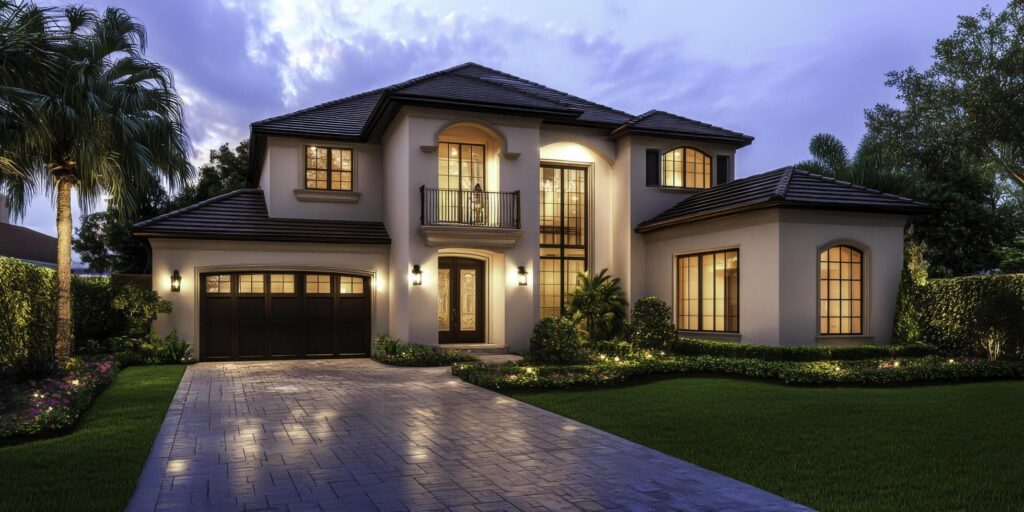
In the traditional world of construction, the path to a completed home often resembles a relay race where the baton is dropped during every handoff. A homeowner hires an architect to draft a vision, only to find months later that the contractor’s estimate far exceeds the initial budget. This fragmented approach—known as Design-Bid-Build—frequently leads to disputes, delays, and a final product that feels like a compromise of the original intent.
As we move through 2026, the luxury market has shifted decisively toward the Design-Build model. This integrated approach replaces the traditional silos with a single point of responsibility. By housing architectural design, project management, and construction expertise under one roof, homeowners are finding that they can achieve higher levels of craftsmanship with significantly less stress.
The Power of a Unified Vision
The primary failure of the traditional model is the disconnect between the drawing board and the job site. An architect may design a stunning cantilevered staircase or a complex natural stone facade without fully accounting for the logistical costs or the specific structural requirements of the local terrain.
In a Design-Build firm, the builder is present during the very first conceptual sketches. This allows for “real-time estimating.” As the architect proposes a high-end lighting design or a specialized flooring installation, the construction team can provide immediate feedback on lead times for materials and labor costs. This collaboration ensures that the project stays grounded in reality from day one. The vision isn’t just a beautiful drawing; it is a fully realized, buildable plan.
Streamlined Communication and Accountability
One of the most significant stressors for any homeowner is acting as the middleman between a designer who blames the builder for a mistake and a builder who blames the blueprints. This “finger-pointing” is eliminated in the Design-Build model.
When you have a single point of contact, accountability is absolute. If a custom automatic gate doesn’t align perfectly with the newly installed fencing, or if a specific surface finish doesn’t react well with the lighting in the foyer, the Design-Build team is responsible for the solution. This structure fosters a culture of problem-solving rather than one of blame-shifting. For the homeowner, this means fewer phone calls, fewer meetings, and a much clearer understanding of the project’s progress.
Financial Predictability and Value Engineering
Cost overruns are the hallmark of poorly managed construction projects. Often, these overruns occur because the design was finalized before the true costs of materials—like premium natural stone or smart home electrical components—were locked in.
Design-Build allows for “Value Engineering” in the best sense of the term. Because the team understands the homeowner’s budget and the design goals simultaneously, they can suggest alternative materials or methods that achieve the same aesthetic result for a lower cost. For example, if a specific marble for a bathroom remodel is currently backordered or overpriced, the team can source a high-quality quartzite that offers similar durability and visual appeal, preventing a bottleneck in the schedule.
Accelerated Project Timelines
Time is the one resource that cannot be recovered. In the traditional model, the process is strictly linear: design must be 100% complete before bidding begins, and bidding must be complete before a shovel hits the ground.
Design-Build allows for “fast-tracking.” While the interior designers are still finalizing the cabinetry and surface finishes for the upper floors, the construction crew can already be on-site completing the foundation and framing. Because everyone is on the same team, these overlapping phases can be managed safely and efficiently. This integrated schedule can often shave months off a major luxury renovation, allowing homeowners to move into their sanctuary much sooner than expected.
Consistency in Craftsmanship
Luxury is defined by the details. It’s found in the way a painting finish meets the crown molding, or the precision with which a lighting fixture is centered over a natural stone island. When separate companies handle different aspects of a home, these fine details often get lost in the shuffle.
The Design-Build model ensures a “narrative of quality” that runs through the entire project. The master builder understands the architect’s intent for a “minimalist” look, which means the electrical team knows to use hidden outlets and the flooring team knows to use flush-mount transitions. Every tradesperson on the site is working toward the same standard of excellence, guided by a single management philosophy.
Conclusion: A Partnership Rather Than a Transaction
Choosing the Design-Build model is ultimately a choice to prioritize the relationship between the homeowner and the creators. It transforms the construction process from a series of stressful transactions into a collaborative partnership.
By integrating architectural planning, project management, and specialized construction into one seamless flow, homeowners can finally enjoy the creative process of building a home. In 2026, the most sophisticated properties are being built by teams that value communication as much as they value craftsmanship. The result is a home that isn’t just a collection of rooms, but a cohesive work of art that was delivered on time, on budget, and with a level of precision that only a unified team can provide.