
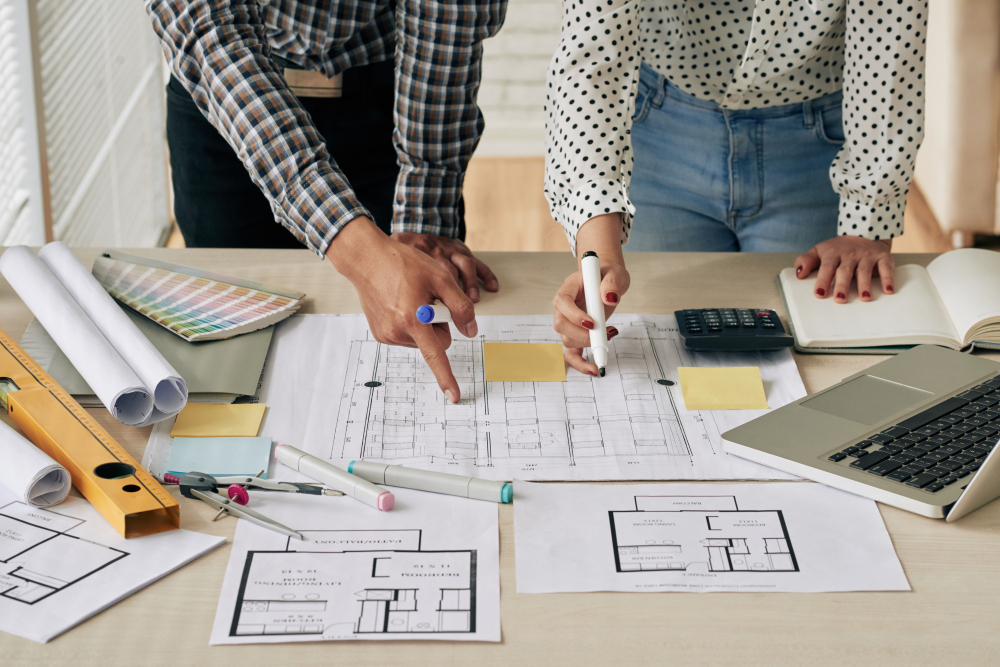
Construction is one of the biggest investments a property owner can make—whether it’s a home, commercial building, or HOA-managed property. Yet one of the most common mistakes people make is rushing into construction without proper architectural planning. This often leads to delays, cost overruns, design flaws, and long-term operational problems.
Architectural planning is not just about creating drawings. It is a structured process that defines how a building will look, function, comply with regulations, and perform over time. When done correctly, architectural planning saves money, reduces risk, and ensures a smooth construction process from start to finish.
In this article, we’ll explain why architectural planning is so important before construction begins and how it sets the foundation for a successful project.
What Is Architectural Planning?
Architectural planning is the process of transforming an idea into a well-thought-out design that can be built safely, efficiently, and legally. It includes:
- Site analysis
- Space planning
- Design development
- Structural coordination
- Code and zoning compliance
- Budget and material planning
- Construction documentation
This phase ensures that every detail is considered before construction starts, minimizing surprises during the build.
1. Prevents Costly Mistakes and Rework
One of the biggest advantages of architectural planning is avoiding costly mistakes.
Without Proper Planning
- Design changes happen during construction
- Materials are ordered incorrectly
- Structural elements clash with mechanical systems
- Walls, doors, or spaces don’t function as intended
Fixing these issues during construction is expensive and time-consuming.
With Proper Planning
Architectural plans identify problems early—on paper—when changes are far cheaper and easier to make. This helps keep the project within budget and prevents unnecessary rework.
2. Establishes a Clear Project Vision
Many construction projects fail because everyone involved has a different understanding of the final outcome.
Architectural planning:
- Defines the look and feel of the building
- Aligns expectations between owners, designers, and contractors
- Provides visual clarity through drawings and layouts
- Ensures functionality matches real-world needs
When the vision is clear from the beginning, decisions become easier, and the construction process stays focused.
3. Improves Functionality and Space Utilization
A building should not just look good—it must work well for the people using it.
Good Architectural Planning Ensures:
- Efficient room layouts
- Logical traffic flow
- Proper storage spaces
- Adequate lighting and ventilation
- Comfortable living or working environments
Poor planning often results in wasted space, awkward layouts, and long-term usability issues. These problems are difficult and expensive to fix after construction is complete.
4. Ensures Compliance With Codes and Regulations
Every construction project must comply with local building codes, zoning laws, fire safety regulations, accessibility standards, and environmental requirements.
Architectural planning helps:
- Identify zoning restrictions early
- Meet building and safety codes
- Address ADA and accessibility requirements
- Avoid permit delays or rejections
- Reduce legal risks
Skipping or rushing this phase can result in failed inspections, stop-work orders, fines, or forced redesigns.
5. Helps Control Budget and Construction Costs
Many people believe architectural planning increases costs, but in reality, it helps control them.
During Planning:
- Materials are selected based on budget
- Construction methods are evaluated for efficiency
- Cost-saving design alternatives are explored
- Accurate cost estimates are prepared
This prevents overspending and allows owners to make informed decisions before construction begins, rather than reacting to unexpected expenses later.
6. Improves Coordination Between Trades
Modern buildings involve many systems working together:
- Structural
- Electrical
- Plumbing
- HVAC
- Lighting
- Technology systems
Architectural planning ensures these systems are coordinated properly.
Without Coordination:
- Ducts interfere with beams
- Electrical panels are poorly located
- Plumbing conflicts with structural elements
- On-site delays increase
Well-prepared architectural plans reduce conflicts between trades, resulting in faster construction and fewer delays.
7. Reduces Construction Delays
Construction delays are often caused by unclear drawings, missing details, or design changes during the build.
Architectural planning:
- Provides complete construction documents
- Reduces contractor questions
- Speeds up permit approvals
- Keeps schedules predictable
When builders have clear instructions from day one, the entire project moves more efficiently.
8. Enhances Safety During and After Construction
Safety is a critical consideration in any construction project.
Architectural planning addresses:
- Structural integrity
- Fire exits and escape routes
- Lighting and visibility
- Safe stair and railing design
- Load calculations and materials
A properly planned building protects not only construction workers but also future occupants.
9. Supports Long-Term Maintenance and Durability
A building should perform well not just on day one, but for decades.
Architectural planning considers:
- Durable materials
- Ease of maintenance
- Future upgrades or expansions
- Energy efficiency
- Environmental impact
This reduces long-term operating costs and helps owners avoid frequent repairs or premature replacements.
10. Increases Property Value
Buildings that are well-designed and properly planned tend to hold their value better over time.
Benefits include:
- Better curb appeal
- Higher resale value
- Improved tenant satisfaction
- Reduced operating issues
For commercial properties and HOAs, good architectural planning directly impacts marketability and long-term investment returns.
11. Helps Manage Risk and Liability
Construction projects carry inherent risks. Poor planning increases exposure to:
- Structural failures
- Code violations
- Contractor disputes
- Legal claims
Architectural planning reduces these risks by providing clear documentation, defined responsibilities, and professional oversight.
12. Makes the Construction Process Smoother
When architectural planning is done right, construction becomes more predictable and manageable.
Everyone Benefits:
- Owners understand what they are getting
- Contractors know what to build
- Inspectors know what to review
- Project managers can control schedules and costs
This leads to fewer conflicts, better communication, and a more successful outcome.
Architectural Planning Is Not a Luxury—It’s a Necessity
Some property owners view architectural planning as an optional step. In reality, it is one of the most important investments in the entire construction process.
Skipping or minimizing this phase often results in:
- Higher overall costs
- Longer timelines
- Compromised quality
- Ongoing operational problems
Proper planning protects your investment and ensures your building performs as intended.
Final Thoughts
Architectural planning is the foundation of every successful construction project. It transforms ideas into buildable solutions, aligns vision with reality, and eliminates costly surprises.
Whether you’re building new, remodeling, or planning a large-scale development, investing time and expertise in architectural planning before construction begins is essential. It saves money, reduces risk, and ensures a building that is safe, functional, and built to last.
A well-planned project is not just easier to build—it’s better in every way.