
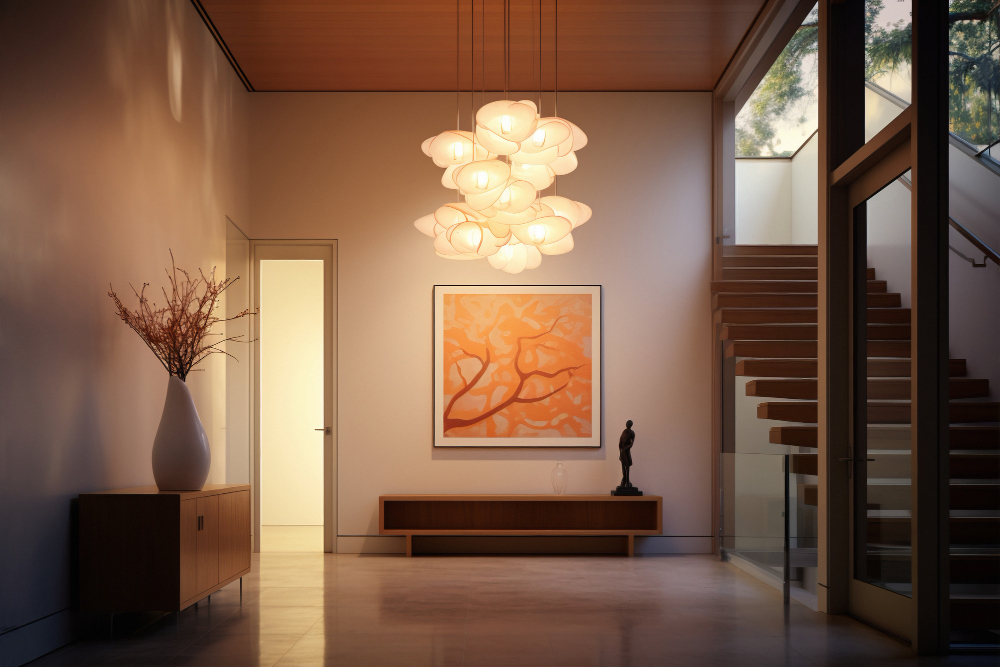
Lighting is not a decorative afterthought. It is a functional system that directly affects safety, usability, operating costs, and long-term performance of a building. When lighting design is handled poorly—or left until the end of a project—it often results in unsafe conditions, wasted energy, and uncomfortable spaces that are expensive to fix later.
Proper lighting design is a technical and strategic process. It requires understanding how a space is used, who uses it, and how light interacts with architecture, materials, and human behavior. When done correctly, lighting becomes an asset rather than a liability.
This article explains why proper lighting design is critical and how it improves safety, comfort, and energy efficiency across residential, commercial, and HOA-managed properties.
Lighting Design Is a Safety System, Not Just Illumination
One of the most important roles of lighting is safety. Inadequate or poorly planned lighting is a leading contributor to accidents, liability claims, and security concerns in buildings.
Visibility and Hazard Reduction
Proper lighting ensures that people can clearly see changes in elevation, obstacles, stairs, and transitions between spaces. Areas such as stairwells, corridors, parking structures, and building entrances require carefully calculated light levels—not guesswork.
Insufficient lighting increases the risk of:
- Slips, trips, and falls
- Missed steps or uneven surfaces
- Accidental collisions in shared spaces
Good lighting design reduces these risks by providing consistent, glare-free illumination exactly where it is needed.
Security and Crime Prevention
Exterior and common-area lighting plays a critical role in deterring unwanted activity. Dark or unevenly lit areas create blind spots that invite security problems.
A proper lighting plan:
- Eliminates shadows and dark corners
- Improves visibility for cameras and security patrols
- Increases occupant awareness and confidence
Well-lit properties are statistically safer and perceived as more secure by occupants and visitors.
Emergency and Egress Lighting
Lighting design also includes emergency systems such as exit signs, backup lighting, and illuminated egress paths. These systems are not optional—they are required for life safety and code compliance.
When lighting is poorly planned, emergency systems are often added late, improperly placed, or inadequately powered, leading to failed inspections and serious safety risks.
Lighting Directly Affects Human Comfort and Performance
Comfort is not subjective when it comes to lighting. Poor lighting causes measurable physical and mental strain.
Visual Comfort and Eye Health
Lighting that is too dim forces the eyes to work harder. Lighting that is too bright or poorly aimed causes glare and discomfort. Both lead to:
- Eye fatigue
- Headaches
- Reduced concentration
Proper lighting design balances light levels, fixture placement, and distribution so that spaces are comfortable to use for extended periods.
Psychological Impact of Lighting
Lighting influences mood, alertness, and behavior. Harsh or uneven lighting creates stress and discomfort, while balanced lighting supports calm, focus, and usability.
In work environments, poor lighting reduces productivity. In residential and shared spaces, it makes areas feel unwelcoming or unusable. These are not design preferences—they are functional failures.
Color Temperature Matters
Lighting design carefully selects color temperature based on function:
- Warmer light for living and relaxation areas
- Neutral light for circulation and general use
- Cooler light for task-focused environments
Using the wrong color temperature is a common mistake that undermines comfort even when light levels are technically adequate.
Energy Efficiency Starts With Design, Not Fixtures
Many buildings attempt to reduce energy costs by switching to LED fixtures alone. While LEDs are efficient, energy efficiency is primarily a design issue—not a product choice.
Eliminating Over-Lighting
One of the most common problems in poorly designed systems is over-lighting. Excessive fixtures, incorrect spacing, and unnecessary brightness all lead to wasted energy.
Proper lighting design calculates:
- Required illumination levels for each space
- Fixture output and placement
- Actual usage patterns
This prevents energy waste while maintaining safety and comfort.
Smarter Control Strategies
Lighting design integrates controls such as:
- Occupancy sensors
- Daylight harvesting
- Timers and scheduling
- Zoned lighting systems
These controls ensure lights operate only when needed, significantly reducing energy consumption without compromising usability.
Long-Term Cost Control
Efficient lighting design reduces:
- Monthly electricity bills
- Heat load on HVAC systems
- Maintenance and replacement costs
Over time, these savings often exceed the initial design and installation investment.
Lighting Must Support How Spaces Are Actually Used
Every space has a purpose. Lighting should support that purpose clearly and efficiently.
Task Lighting
Areas where specific activities occur—workstations, kitchens, bathrooms, mechanical rooms—require focused task lighting. Relying solely on general lighting in these areas leads to poor performance and user dissatisfaction.
Ambient Lighting
Ambient lighting provides overall visibility and sets the base light level for a space. Poor ambient lighting results in uneven brightness and visual discomfort.
Accent and Wayfinding Lighting
Accent lighting highlights architectural features, signage, and key circulation paths. In commercial and multi-unit properties, this improves navigation and reduces confusion.
A professional lighting design balances all three layers rather than treating lighting as a single uniform system.
Maintenance and Reliability Are Design Considerations
Lighting design does not stop at installation. Long-term reliability and maintenance access must be considered from the beginning.
Reduced Maintenance Burden
Modern lighting systems, when properly designed, significantly reduce:
- Bulb replacement frequency
- Labor costs
- Disruptions to occupants
Poorly planned systems often place fixtures in hard-to-access locations, increasing maintenance costs unnecessarily.
Fixture Placement and Durability
Design professionals consider environmental factors such as moisture, heat, vibration, and usage patterns. This ensures fixtures perform reliably in their intended locations.
Lighting Has a Direct Impact on Property Value
Lighting is one of the most visible indicators of building quality. Poor lighting makes even well-built spaces feel outdated or neglected.
Visual Quality and Perception
Well-designed lighting enhances:
- Architectural details
- Finishes and materials
- Landscaping and exterior features
This improves curb appeal and interior perception without structural changes.
Tenant and Occupant Satisfaction
In commercial and HOA-managed properties, lighting quality directly affects satisfaction, retention, and complaints. Good lighting reduces negative feedback and improves overall user experience.
Code Compliance Is Not Optional
Lighting systems must comply with building codes, safety regulations, and accessibility standards. These requirements are complex and vary by location.
Professional lighting design ensures:
- Correct emergency lighting coverage
- Proper exit signage placement
- Compliance with accessibility standards
- Successful inspections without rework
Code-related failures are costly and avoidable with proper planning.
Lighting Design Is Critical in Older Buildings
Older buildings often suffer from outdated lighting layouts that no longer meet current safety or efficiency standards. Simply replacing fixtures without redesigning the system often worsens existing problems.
Proper lighting design allows:
- Energy upgrades without altering character
- Improved safety in aging structures
- Integration of modern controls
- Compliance with current codes
This is especially important for retrofits, renovations, and phased upgrades.
Why Professional Lighting Design Matters
Treating lighting as a basic electrical task is a costly mistake. Electricians install systems; lighting designers plan how those systems should function.
Professional lighting design:
- Reduces risk and liability
- Improves safety and usability
- Lowers operating costs
- Enhances long-term building performance
It works best when coordinated early with architectural and electrical planning—not added at the end.
Final Perspective
Proper lighting design is a core building system, not an accessory. It affects how safely people move, how comfortably they work and live, and how efficiently a building operates over its entire lifespan.
Ignoring lighting design leads to avoidable problems that cost more to fix later than to design correctly from the start. Investing in professional lighting planning delivers measurable benefits in safety, comfort, energy performance, and property value.
In well-designed buildings, lighting is invisible—but its impact is undeniable.