
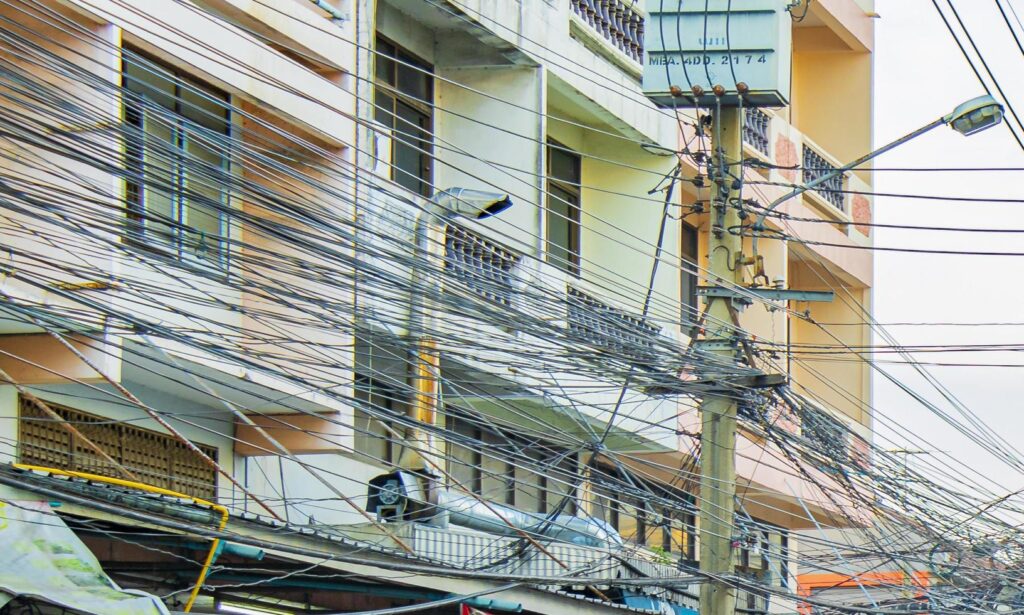
Older buildings have charm, character, and history—but behind the walls, their electrical systems often tell a very different story. Many of these systems were designed decades ago, long before today’s electrical demands. As a result, electrical issues are one of the most common and serious problems found in older residential, commercial, and HOA-managed properties.
Outdated wiring, overloaded circuits, and aging components can lead to frequent power issues, safety hazards, and even fire risks. Understanding these problems is the first step toward maintaining a safe, efficient, and compliant building.
In this article, we’ll explore the most common electrical issues found in older buildings, why they occur, the risks they pose, and when it’s time to call a professional.
Why Older Buildings Are More Prone to Electrical Problems
Most older buildings were constructed at a time when electricity was used very differently. Homes and commercial spaces once relied on a few lights and basic appliances. Today, buildings support HVAC systems, computers, security systems, smart devices, and high-powered equipment—all placing heavy demand on electrical systems that were never designed for this load.
Additionally, many older buildings have gone through multiple renovations over the years. In some cases, electrical upgrades were done partially or improperly, creating hidden risks behind walls and ceilings.
1. Outdated Wiring Systems
One of the most common electrical issues in older buildings is outdated wiring.
Types of Old Wiring Still in Use
- Knob-and-tube wiring (common in buildings built before the 1940s)
- Aluminum wiring (used mainly in the 1960s and 1970s)
- Cloth-insulated wiring
These wiring types were acceptable at the time but no longer meet modern safety standards.
Why This Is a Problem
- Old wiring lacks proper grounding
- Insulation can crack, fray, or deteriorate over time
- Increased risk of overheating and electrical fires
- Difficulty handling modern electrical loads
Warning Signs
- Frequent tripped breakers or blown fuses
- Burning smells near outlets
- Discolored outlets or switches
- Flickering lights
Upgrading outdated wiring is often one of the most important electrical improvements an older building can make.
2. Insufficient Electrical Capacity
Older electrical systems were not designed to handle modern power usage.
Common Issues
- Electrical panels rated for 60–100 amps instead of today’s 200 amps
- Too many devices connected to a single circuit
- Limited number of outlets
Risks
- Overloaded circuits
- Frequent breaker trips
- Voltage drops that damage appliances
- Increased fire hazard
In commercial buildings, insufficient capacity can disrupt operations, damage equipment, and violate safety codes.
Solution
A licensed electrician can evaluate the building’s electrical load and recommend panel upgrades or additional circuits to meet current needs safely.
3. Outdated Electrical Panels and Fuse Boxes
Many older buildings still rely on outdated fuse boxes or early-generation breaker panels.
Common Panel Issues
- Fuse boxes instead of circuit breakers
- Panels with known safety defects
- Lack of surge protection
- No room for additional circuits
Why This Matters
Old panels may not shut off power quickly during a fault, increasing the risk of electrical fires and equipment damage.
Some older panels are no longer approved by modern electrical codes and may even prevent insurance coverage or property sales.
Best Practice
Replacing outdated panels with modern circuit breaker panels improves safety, reliability, and compliance with current standards.
4. Poor or Missing Grounding
Grounding is essential for electrical safety, but many older buildings lack proper grounding systems.
What Grounding Does
- Redirects excess electricity safely into the ground
- Protects people from electrical shocks
- Prevents damage to appliances and electronics
Common Grounding Issues
- Two-prong outlets instead of three-prong
- Improper grounding connections
- No grounding at all in older wiring systems
Risks
- Higher shock risk
- Increased chance of equipment failure
- Electrical noise affecting sensitive devices
Upgrading grounding systems is especially important for buildings using modern electronics or sensitive equipment.
5. Worn-Out Outlets, Switches, and Fixtures
Electrical components wear out over time, and older buildings often contain original outlets and switches that have been in use for decades.
Signs of Wear
- Loose outlets
- Cracked faceplates
- Warm switches or outlets
- Sparks when plugging in devices
Why This Is Dangerous
Worn components can cause arcing, overheating, and electrical fires. They also reduce the reliability of the electrical system.
Simple Fix, Big Impact
Replacing old outlets, switches, and fixtures is a relatively low-cost upgrade that significantly improves safety and functionality.
6. Improper Electrical Modifications
Over the years, many older buildings undergo renovations or additions. Unfortunately, not all electrical work is done correctly or by licensed professionals.
Common Problems
- DIY wiring without permits
- Extension cords used as permanent wiring
- Mixed wiring types improperly connected
- Overloaded junction boxes
Hidden Dangers
These issues are often hidden behind walls and ceilings, making them difficult to detect until a serious problem occurs.
A professional electrical inspection can uncover unsafe modifications and bring the system up to code.
7. Lighting and Electrical Inefficiencies
Older electrical systems often rely on outdated lighting and inefficient electrical designs.
Common Inefficiencies
- Incandescent or fluorescent lighting
- Poor lighting layouts
- High energy consumption
- Frequent bulb failures
Impact
- Higher utility bills
- Uneven or inadequate lighting
- Increased maintenance costs
Modern Solutions
Upgrading to LED lighting and improving electrical layouts can significantly reduce energy costs while improving comfort and visibility.
8. Lack of GFCI and AFCI Protection
Modern electrical codes require special safety devices to prevent shocks and fires, but older buildings often lack them.
Key Safety Devices
- GFCI (Ground Fault Circuit Interrupters): Required in kitchens, bathrooms, and outdoor areas
- AFCI (Arc Fault Circuit Interrupters): Protect against electrical fires caused by arcing
Why This Matters
Without these protections, the risk of electrical shock and fire is significantly higher, especially in high-moisture areas.
Adding GFCI and AFCI protection is one of the easiest ways to improve safety in older buildings.
When to Schedule a Professional Electrical Inspection
If your building is more than 25–30 years old, regular electrical inspections are strongly recommended.
You Should Schedule an Inspection If:
- You experience frequent power issues
- You are planning a renovation or upgrade
- The building has never been fully rewired
- Insurance or code compliance is required
- You notice unusual smells, sounds, or heat
A professional inspection helps identify hidden risks and prioritize upgrades based on safety and budget.
Benefits of Upgrading Electrical Systems in Older Buildings
While electrical upgrades require investment, the long-term benefits are significant.
Key Benefits
- Improved safety and reduced fire risk
- Increased property value
- Better energy efficiency
- Reliable power for modern needs
- Compliance with current building codes
- Lower maintenance and repair costs
For HOAs, commercial properties, and residential owners, these upgrades protect both people and assets.
Final Thoughts
Electrical issues in older buildings are common—but they don’t have to be dangerous. With proper inspections, professional upgrades, and modern safety solutions, older properties can be just as safe and reliable as new ones.
Ignoring electrical problems can lead to costly repairs, safety hazards, and legal liabilities. Addressing them early ensures peace of mind, protects occupants, and extends the life of the building.
If you own or manage an older building, investing in professional electrical evaluation and upgrades is not just smart—it’s essential.