
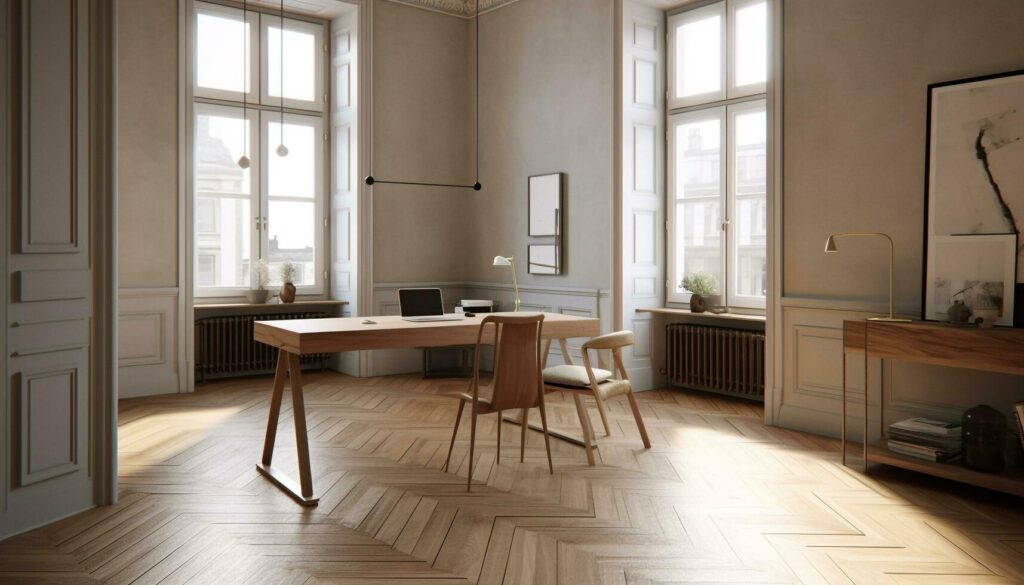
Selecting the ideal flooring for a home is a decision that balances architectural vision with the practicalities of daily life. In a high-end property, the flooring serves as the literal and metaphorical foundation of the interior design, tying together the cabinetry, wall finishes, and lighting into a cohesive aesthetic. However, because every room serves a different function—ranging from the high-moisture environment of a bathroom to the high-traffic demands of a foyer—a one-size-fits-all approach rarely suffices.
A successful flooring strategy requires an understanding of material durability, moisture resistance, and the specific installation techniques required to ensure longevity. By selecting the right material for the right environment, homeowners can ensure their investment remains both beautiful and functional for decades.
High-Traffic Areas: The Entryway and Living Spaces
The foyer and main hallways are the most demanding areas of any home. These zones endure the constant friction of foot traffic, the tracking in of outdoor debris, and the weight of moving furniture. For these spaces, durability is the primary objective.
Engineered hardwood has become a preferred choice for 2026 luxury interiors. Unlike solid wood, engineered planks are constructed with a high-density core that resists the natural expansion and contraction caused by temperature fluctuations. This makes them ideal for open-plan living areas where consistency is key. When selecting hardwood, the Janka hardness rating and the thickness of the wear layer are critical metrics. A thicker wear layer allows the floor to be refinished in the future, extending its lifespan significantly.
For those seeking a more robust option, large-format porcelain tile offers unmatched resilience. Modern manufacturing techniques allow porcelain to mimic the appearance of natural stone or even wood with startling accuracy. Because it is nearly non-porous, it is impervious to scratches and staining, making it an excellent candidate for the primary thoroughfares of a busy household.
The Culinary Hub: Kitchen Flooring Requirements
The kitchen presents a unique challenge: it requires a floor that can withstand heavy traffic while also being resistant to spills, dropped utensils, and grease. Comfort is a secondary but important factor, as homeowners often spend long periods standing in this space.
Natural stone, such as granite or basalt, remains a hallmark of luxury kitchen design. These materials are incredibly hard and heat-resistant. However, because they are natural products, they require professional sealing to prevent oils and liquids from penetrating the surface. If stone is chosen, it should be paired with a maintenance plan that includes periodic re-sealing to protect against the acidic nature of many common food items.
An increasingly popular alternative for modern kitchens is high-end Luxury Vinyl Plank (LVP) or Stone Polymer Composite (SPC) flooring. These materials are entirely waterproof and feature a cushioned backing that provides more “give” than stone or tile, reducing fatigue during meal preparation.
Sanctuary and Comfort: Bedroom Flooring
In bedrooms, the priority shifts from durability to acoustics and comfort. This is the space where the “tactile” experience of the floor matters most. While wall-to-wall carpeting was once the standard, modern design has shifted toward hard surfaces paired with bespoke area rugs.
Wide-plank oak or walnut flooring provides a sense of warmth and luxury that defines a master suite. The natural grain patterns of wood create a calming, organic atmosphere that synthetic materials cannot replicate. To enhance the comfort of a wood floor in a bedroom, many homeowners are integrating radiant heating systems beneath the surface. This ensures the floor is warm to the touch year-round, adding a layer of invisible luxury that significantly boosts property value.
Moisture-Prone Zones: Bathrooms and Laundry Rooms
Bathrooms and laundry rooms are “wet zones” that demand 100% moisture resistance. In these spaces, the flooring installation must be perfectly watertight to prevent structural damage to the subfloor.
Porcelain and ceramic tiles are the gold standard here. For a modern aesthetic, the “wet room” concept—where the bathroom floor continues seamlessly into the shower—requires specialized installation. This involves a precise pitch toward the drain and the use of high-quality waterproofing membranes beneath the tile. Small-format tiles or mosaic patterns are often preferred for shower floors, as the increased frequency of grout lines provides better slip resistance in wet conditions.
Travertine and marble are also popular in luxury bathrooms, but they require a higher level of care. Because these stones are naturally slip-prone when polished, many designers opt for a “honed” or “tumbled” finish in bathrooms to provide better traction while maintaining a sophisticated look.
The Importance of Professional Installation
Regardless of the material chosen, the quality of the installation is what determines the final result. Professional flooring installation involves far more than simply laying planks or tiles. It begins with meticulous subfloor preparation. Any irregularities in the subfloor can lead to “lippage” in tile or “creaking” in wood floors.
Leveling the floor, moisture-testing the concrete or plywood, and choosing the correct adhesive or underlayment are technical steps that cannot be overlooked. For luxury materials, the layout must be planned architecturally to ensure that seams are placed strategically and that the grain or pattern of the material flows logically through the room.
Conclusion
Choosing the right flooring is an exercise in balancing the specific needs of each room with a cohesive design vision for the entire home. By matching the material’s physical properties—such as moisture resistance, hardness, and maintenance requirements—to the room’s function, you create a home that is both beautiful and resilient.
Whether it is the enduring strength of porcelain in the foyer, the warmth of walnut in the bedroom, or the spa-like elegance of stone in the bathroom, the right floor enhances the architecture and elevates the daily experience of the home. Investing in high-quality materials and professional installation ensures that your floors remain a source of pride and value for years to come.