
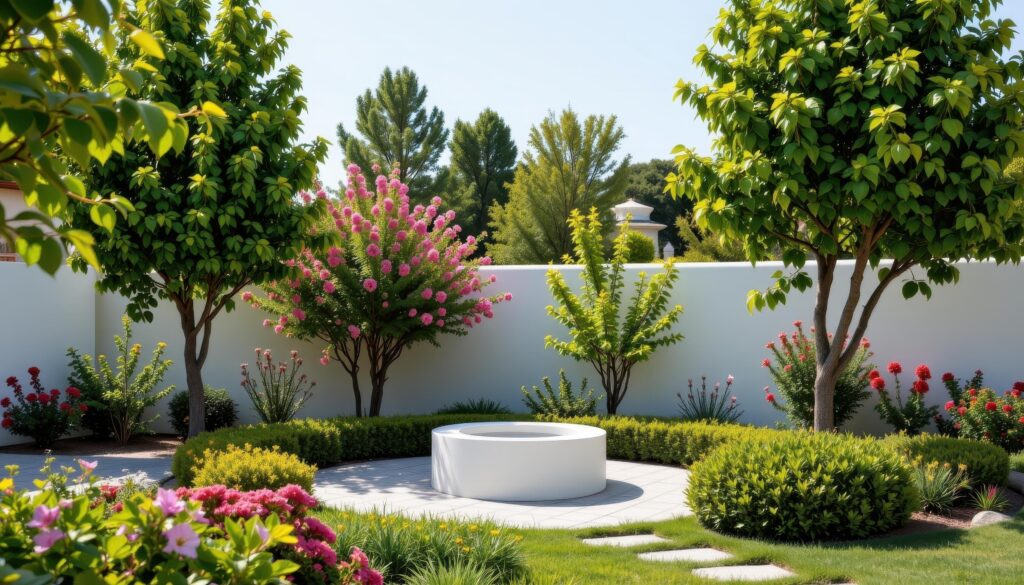
The concept of the backyard has undergone a significant transformation. No longer viewed simply as a patch of grass or a peripheral area of the property, the modern outdoor space is now treated as a literal extension of the home’s interior square footage. In 2026, the trend has moved decisively toward creating an “outdoor sanctuary”—a private, curated environment designed for wellness, relaxation, and seamless transition from the indoor living room.
Achieving this level of tranquility requires more than just planting a few trees. It involves a strategic blend of architectural hardscaping, native horticulture, and integrated technology. When these elements are harmonized, the result is a landscape that doesn’t just look beautiful but functions as a restorative retreat from the pace of modern life.
Defining Space with Hardscaping
A true sanctuary requires structure. Without it, an outdoor space can feel vast and uninviting. Modern landscaping utilizes hardscaping—the non-living elements of the design—to create “outdoor rooms.” By using different materials and elevations, you can define specific zones for dining, lounging, or meditation without the need for physical walls.
Natural stone remains the premier choice for high-end sanctuaries. Large-format pavers in limestone or basalt provide a clean, minimalist foundation that feels grounded and permanent. The key to a modern look is the use of straight lines and geometric patterns, often softened by “living seams”—small gaps between pavers filled with creeping thyme or moss. This approach creates a bridge between the rigid structure of the house and the organic fluidity of nature.
The Role of Water and Soundscapes
One of the most effective ways to create a sense of isolation from the outside world is through the use of water. The sound of moving water is a powerful psychological tool that masks ambient neighborhood noise—such as traffic or distant lawnmowers—and replaces it with a consistent, soothing frequency.
In a modern sanctuary, water features are typically understated and architectural rather than ornate. A “mirror pool” or a simple sheer-descent waterfall integrated into a retaining wall provides visual interest without cluttering the landscape. These features also serve as natural cooling agents, lowering the immediate air temperature during summer months and making the outdoor space usable for longer periods.
Layered Planting for Privacy and Depth
Privacy is the cornerstone of any sanctuary. Traditional fencing provides security, but “living walls” provide atmosphere. To create a secluded feel, modern designs employ layered planting. This involves placing taller, evergreen trees like Italian Cypress or Arborvitae along the perimeter to provide a year-round privacy screen, then layering inward with medium-height shrubs and low-lying ornamental grasses.
The selection of flora has shifted toward “climate-positive” landscaping. This means prioritizing native species that are naturally adapted to the local soil and rainfall patterns. These plants require less chemical intervention and less water, yet they thrive with a vitality that non-native species often lack. Ornamental grasses, such as Pennisetum or Miscanthus, add a sense of movement to the garden; they catch the light and sway with the breeze, adding a rhythmic, living element to the sanctuary.
Integrated Lighting and Atmosphere
A sanctuary should not disappear when the sun goes down. In fact, many homeowners find their outdoor spaces most restorative in the evening hours. This is where professional lighting design becomes essential. The goal of sanctuary lighting is not to illuminate the entire yard like a sports field, but to use light and shadow to create drama and intimacy.
We utilize a technique called “moonlighting,” where small, warm-toned fixtures are placed high in the canopy of trees to cast a soft, dappled light downward. This mimics the natural glow of a full moon. Accent lighting is then used to highlight specific textures—such as the rough grain of a stone wall or the delicate leaves of a Japanese Maple. By keeping the light levels low and focused, the perimeter of the yard fades into the darkness, making the central sanctuary feel even more private and secure.
The Inclusion of Wellness Elements
In 2026, the outdoor sanctuary is increasingly being used for physical and mental wellness. This has led to the inclusion of dedicated spaces for yoga, meditation, or even outdoor “cold plunges” and saunas.
For a meditation area, the focus should be on “tactile minimalism.” A simple wooden deck made of sustainably sourced Ipe or Teak, surrounded by a gravel Zen garden, provides a clean space for reflection. The choice of colors in these areas should be muted—greens, greys, and soft whites—to reduce visual overstimulation and allow the mind to settle.
Seamless Transitions and Smart Integration
The most successful outdoor sanctuaries feel like they were built at the same time as the house. This is achieved through “material mirroring,” where the flooring or wall finishes used inside the home are carried through to the outside. If your kitchen features a specific type of stone, using a similar texture for your outdoor kitchen or patio creates a visual bridge that blurs the boundary between inside and out.
Furthermore, smart home integration has moved into the garden. Automated irrigation systems that adjust based on hyper-local weather data ensure the sanctuary stays lush with minimal effort. Integrated outdoor sound systems, hidden within the planters or rock formations, allow for ambient soundscapes—such as soft jazz or nature sounds—to be piped into the space at a low, non-intrusive volume.
Conclusion
Creating an outdoor sanctuary is an investment in your well-being and your property’s long-term value. It is a complex undertaking that requires a deep understanding of architecture, botany, and lighting. By focusing on structural hardscaping, layered privacy planting, and the soothing elements of water and light, you can transform a standard backyard into a sophisticated retreat.
A well-designed landscape is more than just a view from a window; it is a living, breathing environment that offers a sanctuary from the demands of the modern world. When designed and maintained with precision, it becomes the most cherished “room” in the entire home.